
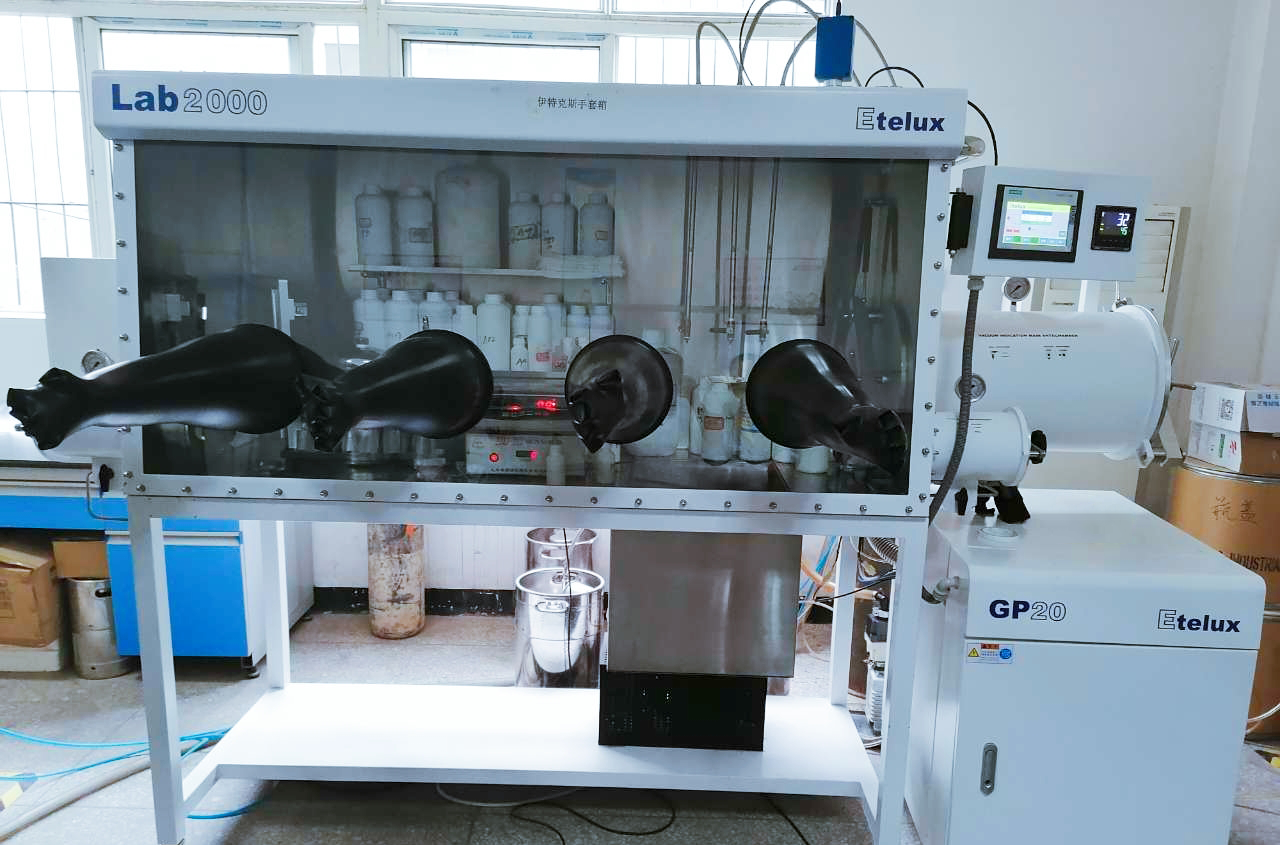
A common mistake in vacuum coating equipment procurement is over-specifying glove box systems. Most R&D engineers and procurement professionals blindly choose 0.1ppm ultra-high-purity glove boxes for all vacuum coating workflows, regardless of actual process precision requirements and thin-film application scenarios.
Blindly pursuing ultra-low 0.1ppm water and oxygen parameters leads to redundant equipment investment, higher inert gas consumption, and increased long-term maintenance expenses. On the contrary, equipping high-precision vacuum coating processes with standard 1ppm glove boxes often results in thin film defects, unstable production yield, and unrepeatable experimental data for PVD, CVD and ALD projects.
The golden rule for vacuum coating glove box selection is straightforward: match glove box precision tiers to your thin-film coating processes, instead of blindly selecting the highest static PPM specifications.
This article delivers a standardized tiered selection system for 1ppm and 0.1ppm vacuum coating glove boxes. It elaborates on core structural differences, applicable process boundaries and cost-performance logic, offering reliable technical guidance for process engineers and clear procurement comparison standards for buying teams.
1. Core Differences: 1ppm vs 0.1ppm Glove Boxes
The performance gap between 1ppm and 0.1ppm glove boxes goes far beyond numerical PPM differences. It covers comprehensive upgrades in inert gas purification configuration, dynamic atmosphere stability, system sealing performance and process compatibility — key factors that directly determine final thin-film coating quality and batch consistency.
1.1 ≤1ppm Standard Glove Box (Industrial & General R&D Grade)
Featuring a single-stage closed-loop inert gas purification system, standard 1ppm glove boxes maintain stable water and oxygen levels below 1ppm during continuous lab and production operations. With mature mechanical structure and low operational costs, this industrial-grade glove box delivers stable and reliable performance for general usage scenarios.
As the mainstream solution for general industrial vacuum coating and conventional laboratory R&D, 1ppm glove boxes avoid performance redundancy and unnecessary cost waste for medium and low-precision thin-film deposition processes.
1.2 ≤0.1ppm Ultra-High-Purity Glove Box (High-Precision Custom Grade)
Equipped with a professional dual-stage deep purification system, ultra-low-leak sealing structure and low-outgassing chamber materials, 0.1ppm ultra-high-purity glove boxes sustain an ultra-stable inert atmosphere. Beyond excellent static PPM parameters, the core advantage lies in superior dynamic anti-interference performance, which stabilizes atmosphere conditions during frequent sample transfer, vacuum equipment docking and thermal temperature fluctuation in precision coating workflows.
Custom-built to eliminate trace contamination in high-precision thin-film deposition, this ultra-high-purity glove box tier is widely applied in high-end optical coating, advanced material research and semiconductor-grade manufacturing, with higher investment and long-term maintenance costs compared to standard 1ppm glove box models.
2. Vacuum Coating Process Tiers: Exact 1ppm / 0.1ppm Matching Rules
Based on the precision standards of mainstream thin-film processes including PVD, CVD, magnetron sputtering and ALD, we classify vacuum coating into three core tiers: industrial standard, precision R&D and ultra-precision semiconductor grade. Each process tier matches a dedicated glove box configuration, helping businesses balance stable coating yield and overall cost efficiency.
2.1 Industrial Standard Coating | Recommended: ≤1ppm Standard Glove Box
Applicable Scenarios: General magnetron sputtering, decorative PVD coating, wear-resistant functional coatings, conventional CVD thin-film deposition, and mass-production thin-film processing.
These industrial coating processes feature high tolerance for trace moisture and oxygen impurities. A stable 1ppm inert atmosphere effectively prevents thin-film oxidation, moisture contamination and particle defects, fully meeting mass production yield standards and ensuring repeatable experimental results for general thin-film fabrication.
Upgrading to a 0.1ppm ultra-high-purity glove box for these standard industrial processes brings zero improvement in coating yield, but significantly increases costs for equipment procurement, inert gas consumption, purification regeneration and daily maintenance, resulting in obvious performance redundancy and wasted budget.
2.2 Precision R&D Coating | Mandatory: ≤0.1ppm Ultra-High-Purity Glove Box
Applicable Scenarios: High-precision optical coating, multi-layer dielectric thin films, sensitive functional films, high-end PVD precision deposition, and advanced thin-film laboratory research.
Precision thin films are characterized by ultra-thin thickness, multi-layer stacking and delicate crystal structures. Even tiny traces of water and oxygen can damage film morphology, causing common defects such as color deviation, reduced light transmittance, poor film adhesion and continuous performance degradation of functional coatings.
Dynamic PPM fluctuations in standard 1ppm glove boxes are sufficient to undermine precision coating consistency. In contrast, 0.1ppm ultra-high-purity glove boxes deliver a stable ultra-low-contamination inert environment, restraining trace oxidation and moisture interference to guarantee high-precision, repeatable thin-film deposition results.
2.3 Ultra-Precision Semiconductor-Grade Coating | Exclusive: Custom 0.1ppm Low-Outgassing System
Applicable Scenarios: ALD atomic layer deposition, semiconductor wafer coating, microelectronic thin films, ultra-precision device coating, and aerospace-grade functional films.
Custom 0.1ppm glove boxes equipped with dual-stage deep purification systems, full-seam welding technology and low-outgassing materials are essential to build a disturbance-free inert environment that complies with strict semiconductor and aerospace coating process standards.
3. Tiered Selection & Procurement Guidelines for Engineers & Buyers
Professional vacuum glove box procurement follows a scientific and cost-effective logic: confirm process precision requirements → match dedicated equipment configuration → conduct comprehensive price and performance comparison. This standardized method eliminates blind parameter stacking and realizes accurate equipment selection and precise cost control.
3.1 Core Selection Principles
Avoid over-specifying equipment for mass-production industrial coating processes and under-specifying for high-precision R&D projects. 1ppm standard glove boxes deliver optimal cost performance for most industrial vacuum coating scenarios, while 0.1ppm ultra-high-purity models are exclusively designed for high-end precision manufacturing and scientific research to balance stable yield and equipment investment.
3.2 Key Procurement Evaluation Dimensions
≤1ppm Model Evaluation: Prioritize system leak rate, dynamic purification stability, chamber structural compatibility and long-term maintenance costs, instead of overemphasizing static extreme PPM parameters.
≤0.1ppm Model Evaluation: Focus on dual-stage purification efficiency, real-time atmosphere recovery speed, material outgassing rate, high-grade sealing technology and long-term operational stability. Static PPM data only serves as a basic qualification reference.
3.3 Common Selection Pitfalls
- Blindly deploying 0.1ppm ultra-high-purity glove boxes for standard coating processes, doubling procurement and maintenance costs without tangible yield improvement;
- Equipping high-precision thin-film R&D and production projects with 1ppm glove boxes, causing unstable experimental data, fluctuating coating yield and non-reproducible process results;
- Evaluating glove box quality solely based on static PPM readings while ignoring dynamic operational stability and system tightness, resulting in qualified spec data but failed vacuum coating processes.
4. Conclusion: Build a Standardized Glove Box Selection System
There is no absolute good or bad between 1ppm and 0.1ppm vacuum coating glove boxes — the core lies in process matching and scenario adaptation.
The ≤1ppm standard glove box is the most cost-effective solution for general industrial vacuum coating and conventional R&D scenarios, delivering stable performance and controllable costs.
The ≤0.1ppm ultra-high-purity glove box is a mandatory configuration for precision and ultra-precision coating processes, eliminating trace contamination risks and guaranteeing high-end thin-film accuracy and batch stability.
Tiered, process-driven glove box selection helps the vacuum coating industry abandon meaningless parameter involution, avoid process failures and cost waste caused by mismatched equipment, and ensure long-term stable production and reliable scientific research output.
Custom Tiered Glove Box Solutions for Vacuum Coating
We provide full-process customized glove box turnkey solutions for all vacuum coating tiers, covering cost-effective 1ppm industrial models and high-end 0.1ppm ultra-high-purity precision systems. We tailor purification grades, sealing structures and chamber configurations for PVD, CVD, ALD and optical coating processes to maximize operational stability and cost performance. Feel free to contact our technical team for professional process evaluation, precise parameter matching and customized quotation.
【SEO Metadata | Ready for Direct Publishing】
SEO Title: 1ppm vs 0.1ppm Glove Box Selection | Tiered Guide for Vacuum Coating Processes
Meta Description: Wondering whether you need a 0.1ppm ultra-high-purity glove box or a 1ppm standard glove box for vacuum coating? Explore professional tiered selection rules to match your PVD, CVD, ALD and optical coating processes, stabilize thin-film yield, and cut unnecessary operational costs.
Meta Keywords: vacuum coating glove box, 1ppm glove box, 0.1ppm ultra-high-purity glove box, thin film deposition, glove box selection guide, inert gas purification system, PVD CVD ALD glove box, low outgassing glove box
A common mistake in vacuum coating equipment procurement is over-specifying glove box systems. Most R&D engineers and procurement professionals blindly choose 0.1ppm ultra-high-purity glove boxes for all vacuum coating workflows, regardless of actual process precision requirements and thin-film application scenarios.
Blindly pursuing ultra-low 0.1ppm water and oxygen parameters leads to redundant equipment investment, higher inert gas consumption, and increased long-term maintenance expenses. On the contrary, equipping high-precision vacuum coating processes with standard 1ppm glove boxes often results in thin film defects, unstable production yield, and unrepeatable experimental data for PVD, CVD and ALD projects.
The golden rule for vacuum coating glove box selection is straightforward: match glove box precision tiers to your thin-film coating processes, instead of blindly selecting the highest static PPM specifications.
This article delivers a standardized tiered selection system for 1ppm and 0.1ppm vacuum coating glove boxes. It elaborates on core structural differences, applicable process boundaries and cost-performance logic, offering reliable technical guidance for process engineers and clear procurement comparison standards for buying teams.
1. Core Differences: 1ppm vs 0.1ppm Glove Boxes
The performance gap between 1ppm and 0.1ppm glove boxes goes far beyond numerical PPM differences. It covers comprehensive upgrades in inert gas purification configuration, dynamic atmosphere stability, system sealing performance and process compatibility — key factors that directly determine final thin-film coating quality and batch consistency.
1.1 ≤1ppm Standard Glove Box (Industrial & General R&D Grade)
Featuring a single-stage closed-loop inert gas purification system, standard 1ppm glove boxes maintain stable water and oxygen levels below 1ppm during continuous lab and production operations. With mature mechanical structure and low operational costs, this industrial-grade glove box delivers stable and reliable performance for general usage scenarios.
As the mainstream solution for general industrial vacuum coating and conventional laboratory R&D, 1ppm glove boxes avoid performance redundancy and unnecessary cost waste for medium and low-precision thin-film deposition processes.
1.2 ≤0.1ppm Ultra-High-Purity Glove Box (High-Precision Custom Grade)
Equipped with a professional dual-stage deep purification system, ultra-low-leak sealing structure and low-outgassing chamber materials, 0.1ppm ultra-high-purity glove boxes sustain an ultra-stable inert atmosphere. Beyond excellent static PPM parameters, the core advantage lies in superior dynamic anti-interference performance, which stabilizes atmosphere conditions during frequent sample transfer, vacuum equipment docking and thermal temperature fluctuation in precision coating workflows.
Custom-built to eliminate trace contamination in high-precision thin-film deposition, this ultra-high-purity glove box tier is widely applied in high-end optical coating, advanced material research and semiconductor-grade manufacturing, with higher investment and long-term maintenance costs compared to standard 1ppm glove box models.
2. Vacuum Coating Process Tiers: Exact 1ppm / 0.1ppm Matching Rules
Based on the precision standards of mainstream thin-film processes including PVD, CVD, magnetron sputtering and ALD, we classify vacuum coating into three core tiers: industrial standard, precision R&D and ultra-precision semiconductor grade. Each process tier matches a dedicated glove box configuration, helping businesses balance stable coating yield and overall cost efficiency.
2.1 Industrial Standard Coating | Recommended: ≤1ppm Standard Glove Box
Applicable Scenarios: General magnetron sputtering, decorative PVD coating, wear-resistant functional coatings, conventional CVD thin-film deposition, and mass-production thin-film processing.
These industrial coating processes feature high tolerance for trace moisture and oxygen impurities. A stable 1ppm inert atmosphere effectively prevents thin-film oxidation, moisture contamination and particle defects, fully meeting mass production yield standards and ensuring repeatable experimental results for general thin-film fabrication.
Upgrading to a 0.1ppm ultra-high-purity glove box for these standard industrial processes brings zero improvement in coating yield, but significantly increases costs for equipment procurement, inert gas consumption, purification regeneration and daily maintenance, resulting in obvious performance redundancy and wasted budget.
2.2 Precision R&D Coating | Mandatory: ≤0.1ppm Ultra-High-Purity Glove Box
Applicable Scenarios: High-precision optical coating, multi-layer dielectric thin films, sensitive functional films, high-end PVD precision deposition, and advanced thin-film laboratory research.
Precision thin films are characterized by ultra-thin thickness, multi-layer stacking and delicate crystal structures. Even tiny traces of water and oxygen can damage film morphology, causing common defects such as color deviation, reduced light transmittance, poor film adhesion and continuous performance degradation of functional coatings.
Dynamic PPM fluctuations in standard 1ppm glove boxes are sufficient to undermine precision coating consistency. In contrast, 0.1ppm ultra-high-purity glove boxes deliver a stable ultra-low-contamination inert environment, restraining trace oxidation and moisture interference to guarantee high-precision, repeatable thin-film deposition results.
2.3 Ultra-Precision Semiconductor-Grade Coating | Exclusive: Custom 0.1ppm Low-Outgassing System
Applicable Scenarios: ALD atomic layer deposition, semiconductor wafer coating, microelectronic thin films, ultra-precision device coating, and aerospace-grade functional films.
Custom 0.1ppm glove boxes equipped with dual-stage deep purification systems, full-seam welding technology and low-outgassing materials are essential to build a disturbance-free inert environment that complies with strict semiconductor and aerospace coating process standards.
3. Tiered Selection & Procurement Guidelines for Engineers & Buyers
Professional vacuum glove box procurement follows a scientific and cost-effective logic: confirm process precision requirements → match dedicated equipment configuration → conduct comprehensive price and performance comparison. This standardized method eliminates blind parameter stacking and realizes accurate equipment selection and precise cost control.
3.1 Core Selection Principles
Avoid over-specifying equipment for mass-production industrial coating processes and under-specifying for high-precision R&D projects. 1ppm standard glove boxes deliver optimal cost performance for most industrial vacuum coating scenarios, while 0.1ppm ultra-high-purity models are exclusively designed for high-end precision manufacturing and scientific research to balance stable yield and equipment investment.
3.2 Key Procurement Evaluation Dimensions
≤1ppm Model Evaluation: Prioritize system leak rate, dynamic purification stability, chamber structural compatibility and long-term maintenance costs, instead of overemphasizing static extreme PPM parameters.
≤0.1ppm Model Evaluation: Focus on dual-stage purification efficiency, real-time atmosphere recovery speed, material outgassing rate, high-grade sealing technology and long-term operational stability. Static PPM data only serves as a basic qualification reference.
3.3 Common Selection Pitfalls
- Blindly deploying 0.1ppm ultra-high-purity glove boxes for standard coating processes, doubling procurement and maintenance costs without tangible yield improvement;
- Equipping high-precision thin-film R&D and production projects with 1ppm glove boxes, causing unstable experimental data, fluctuating coating yield and non-reproducible process results;
- Evaluating glove box quality solely based on static PPM readings while ignoring dynamic operational stability and system tightness, resulting in qualified spec data but failed vacuum coating processes.
4. Conclusion: Build a Standardized Glove Box Selection System
There is no absolute good or bad between 1ppm and 0.1ppm vacuum coating glove boxes — the core lies in process matching and scenario adaptation.
The ≤1ppm standard glove box is the most cost-effective solution for general industrial vacuum coating and conventional R&D scenarios, delivering stable performance and controllable costs.
The ≤0.1ppm ultra-high-purity glove box is a mandatory configuration for precision and ultra-precision coating processes, eliminating trace contamination risks and guaranteeing high-end thin-film accuracy and batch stability.
Tiered, process-driven glove box selection helps the vacuum coating industry abandon meaningless parameter involution, avoid process failures and cost waste caused by mismatched equipment, and ensure long-term stable production and reliable scientific research output.
Custom Tiered Glove Box Solutions for Vacuum Coating
We provide full-process customized glove box turnkey solutions for all vacuum coating tiers, covering cost-effective 1ppm industrial models and high-end 0.1ppm ultra-high-purity precision systems. We tailor purification grades, sealing structures and chamber configurations for PVD, CVD, ALD and optical coating processes to maximize operational stability and cost performance. Feel free to contact our technical team for professional process evaluation, precise parameter matching and customized quotation.