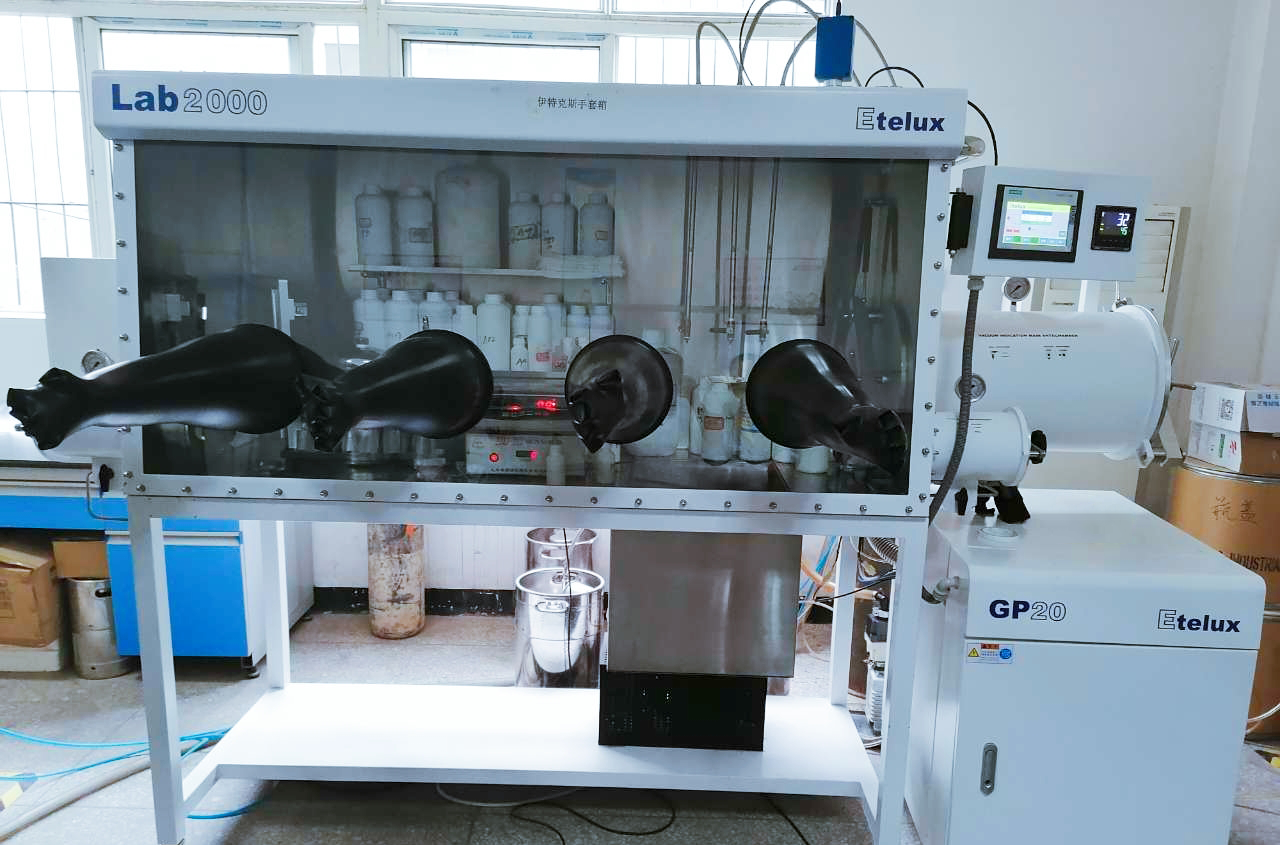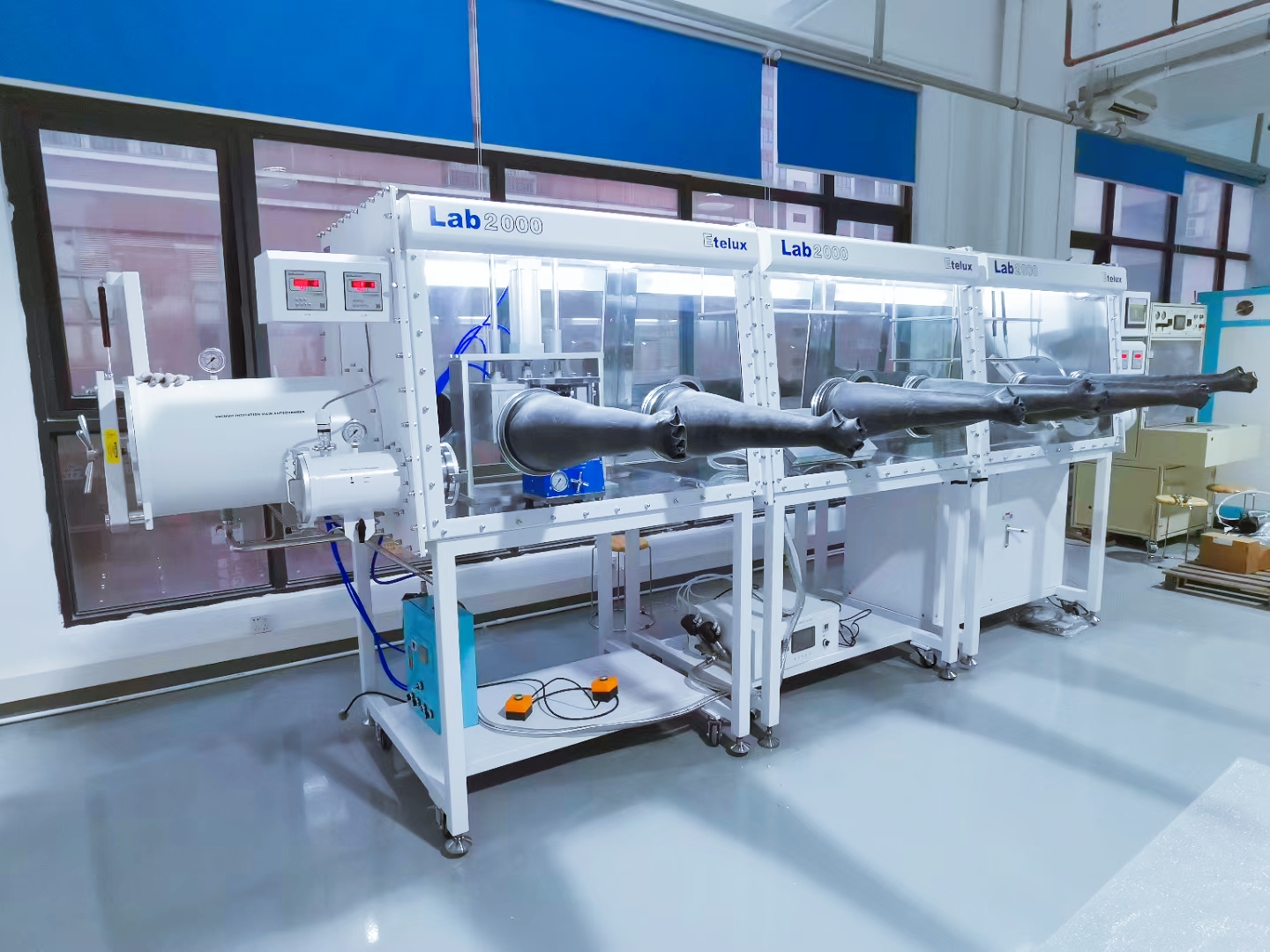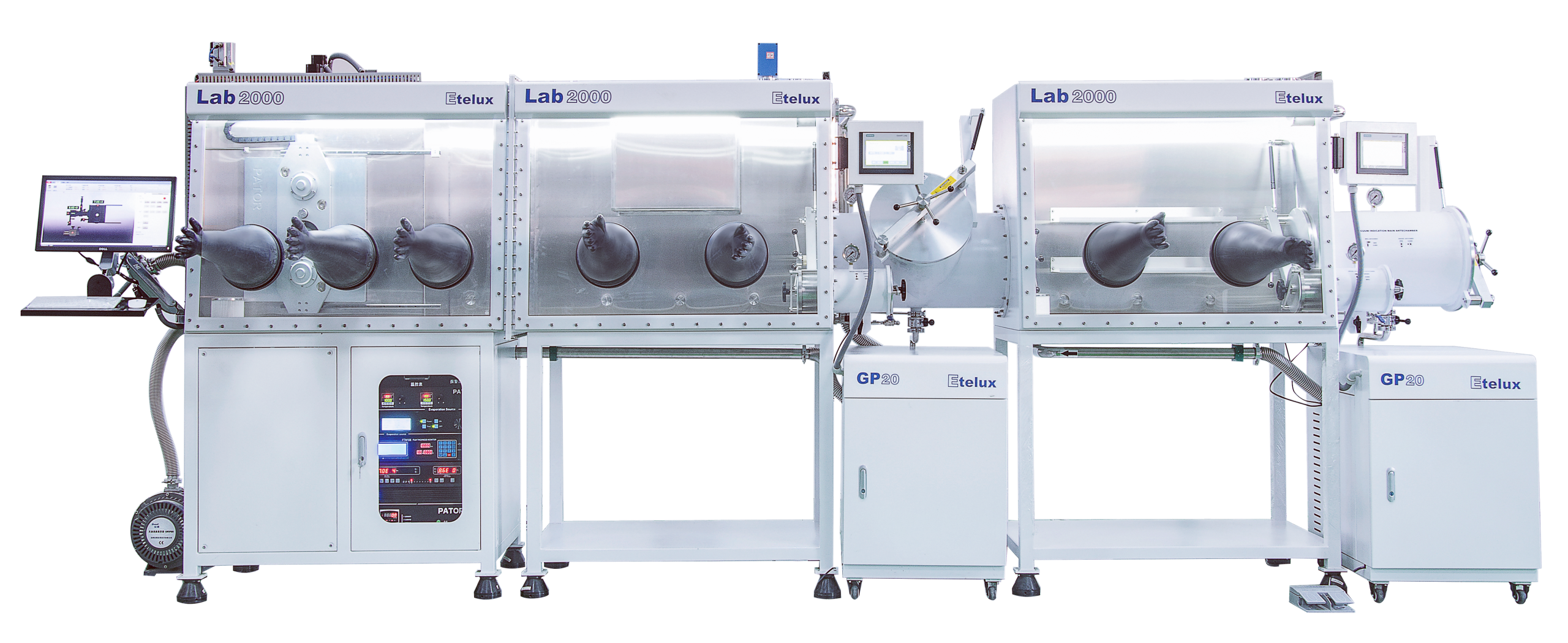
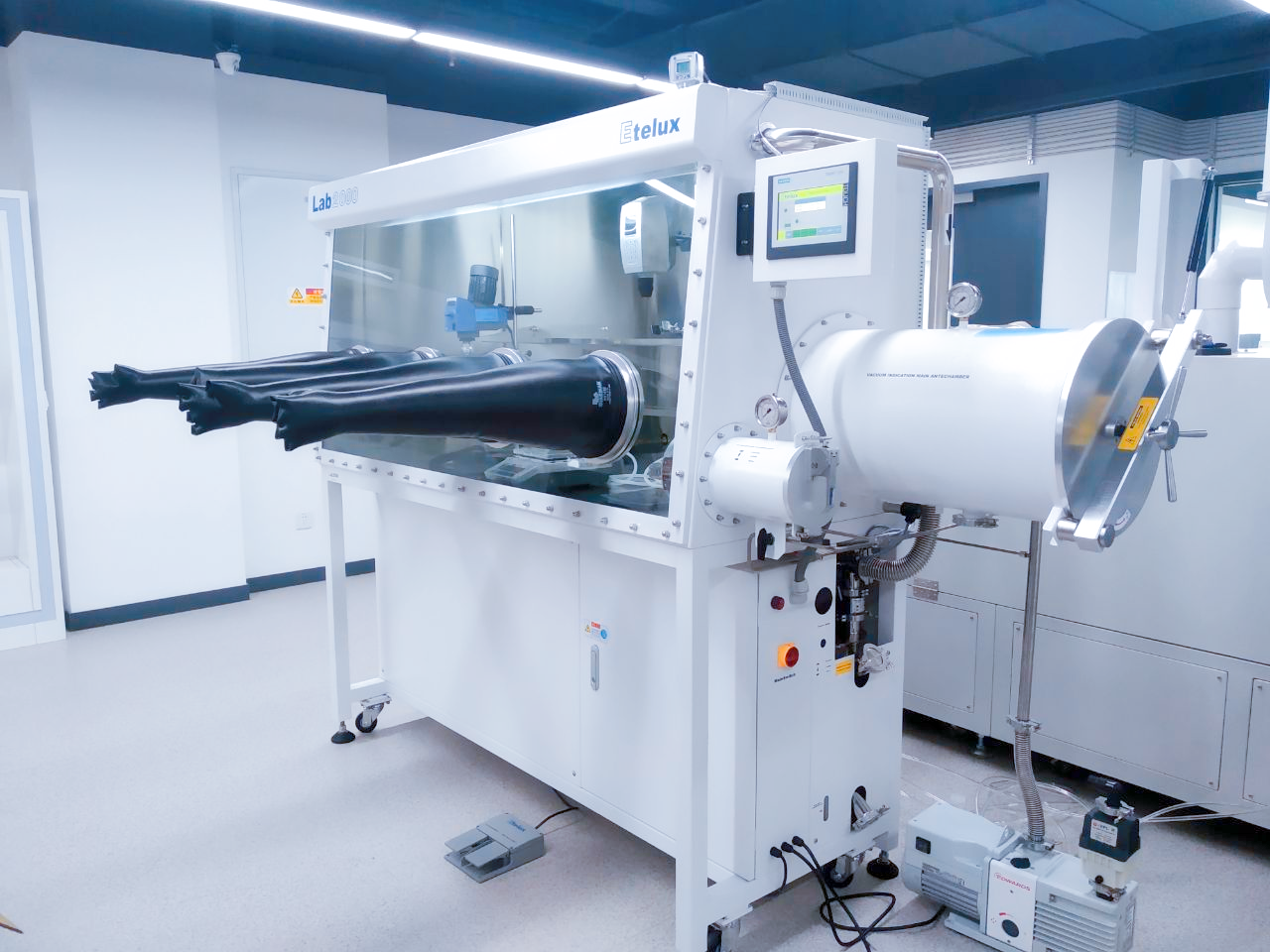
Antechamber Size & Pumping Speed: Overlooked Vacuum Glove Box Efficiency Parameters for Continuous Vacuum Coating Production

In precision manufacturing workflows such as vacuum coating, optical thin-film deposition, and semiconductor functional film fabrication, process engineers and procurement teams typically prioritize core compliance parameters when selecting vacuum glove boxes. These key indicators include oxygen and moisture content, system leak rate, material grade, and ESD performance. While these specs guarantee baseline coating yield and […]
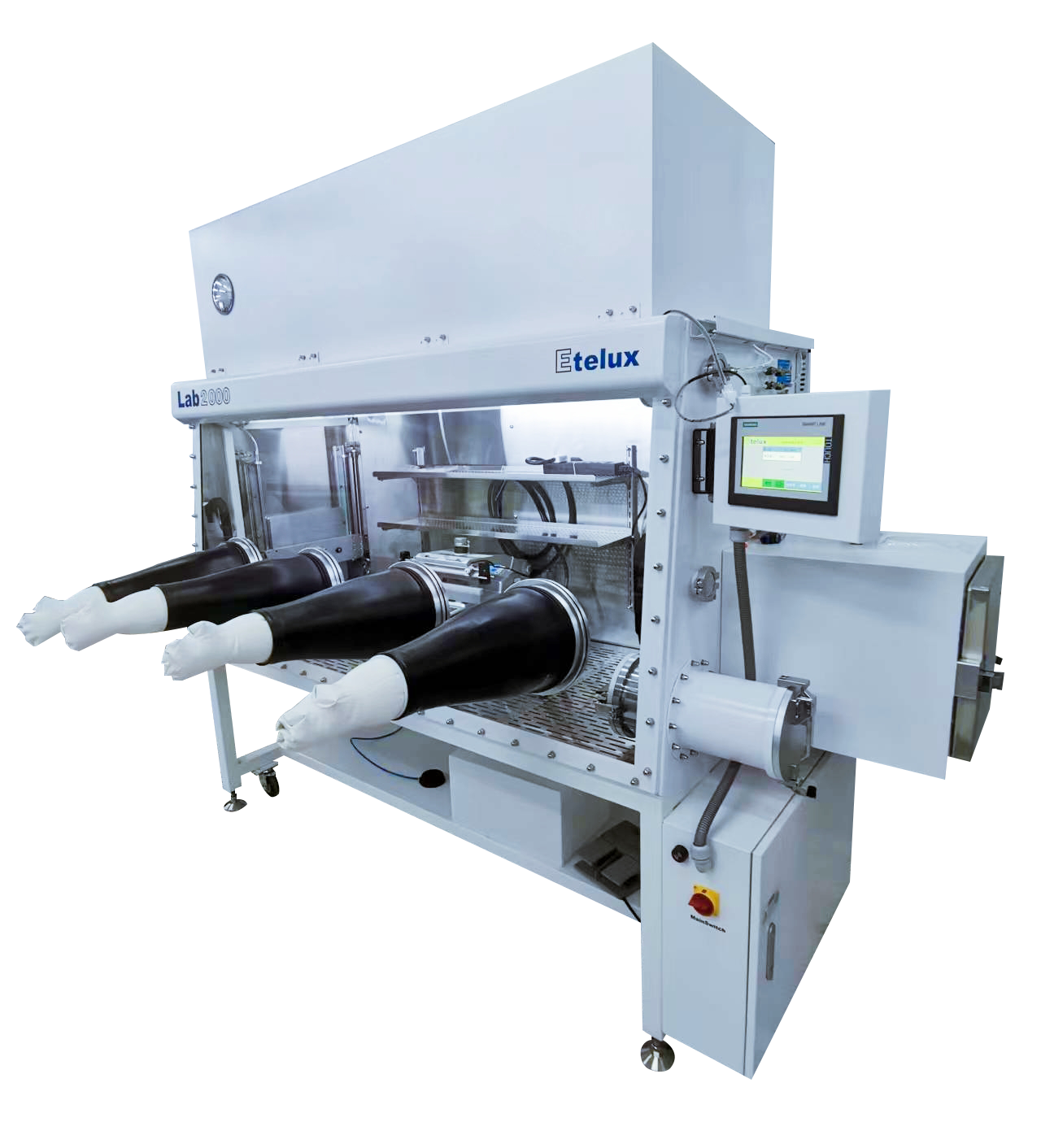
Cleanroom Compatibility: Vacuum Glove Box Selection Guidelines for ISO 5/8 Vacuum Coating Environments

In high-end manufacturing scenarios such as semiconductor optics, precision optical coating, and functional thin-film deposition, vacuum glove boxes dedicated to vacuum coating processes are commonly installed inside ISO Class 5 (Class 100) and ISO Class 8 (Class 100,000) cleanrooms. Most process and procurement teams focus only on core standalone parameters of glove boxes, including oxygen […]

Why Magnetron Sputtering Requires Vibration-Controlled Vacuum Glove Boxes | Selection & Pitfall Guide

Introduction Vacuum glove box selection for magnetron sputtering (PVD) thin-film deposition traditionally focuses on three core specs: low water/oxygen purity, reliable sealing performance, and efficient gas purification circulation. These parameters ensure a contamination-free inert environment and serve as the standard benchmark for qualifying precision coating equipment. Yet in high-value manufacturing scenarios — including optical coating, […]

1ppm vs 0.1ppm Glove Box: Tiered Selection Guide for Vacuum Coating Precision Processes

A common mistake in vacuum coating equipment procurement is over-specifying glove box systems. Most R&D engineers and procurement professionals blindly choose 0.1ppm ultra-high-purity glove boxes for all vacuum coating workflows, regardless of actual process precision requirements and thin-film application scenarios. Blindly pursuing ultra-low 0.1ppm water and oxygen parameters leads to redundant equipment investment, higher inert […]

Process First, Parameters Second: Why Water & Oxygen PPM Is Not the Only Criterion for Vacuum Coating Glove Box Selection

In the vacuum coating industry, most engineers and procurement teams follow the same selection logic: the lower the water and oxygen PPM value, the better the glove box for coating processes. This is the most prevalent and misleading misconception in the industry. An ultra-low PPM reading only represents a device’sstatic ideal performance. It cannot reflect […]

Complete Guide to Selecting Vacuum Gloveboxes for Vacuum Coating: A Must-Read for Engineers and Procurement Decision-Makers

1. Introduction: Why Does Vacuum Coating Need a Dedicated Glovebox? 1.1 The Symbiotic Relationship Between Vacuum Coating and Gloveboxes In vacuum coating processes, thin-film quality is not solely determined by the coating equipment itself, but also relies heavily on strict environmental control throughout the entire workflow, covering sample preparation, thin-film deposition, and post-treatment procedures. Highly […]

What Does 0.1ppm Mean? The Ultra-Pure Environment Vacuum Glove Boxes Create for Battery 3D Printing

In advanced battery 3D printing environmental control, most research teams focus on macroscopic process parameters such as printing speed, layer thickness, and slurry viscosity, while easily overlooking the decisive role of micro environmental indicators. For high-precision fabrication of lithium metal batteries and all-solid-state batteries, conventional low-humidity environments and standard 1ppm glove box conditions are no […]

The Hidden Must-Have for Lithium Battery Material Research: How Vacuum Glove Boxes Boost Test Yield

Introduction The global R&D competition for high-energy-density lithium-ion power batteries centers on next-gen materials: high-nickel ternary cathodes, silicon-carbon anodes, lithium metal anodes and sulfide solid electrolytes. To break energy density limits, reduce sample scrap rates and stabilize repeatable test results, ultra-low water-oxygen vacuum glove boxes are no longer optional lab hardware—they are an irreplaceable hidden […]

Is an All-in-One Glove Box Evaporation System Worth the Investment? A Cost-Benefit Guide for Lab Decision-Makers

For lab managers, principal investigators, and procurement decision-makers, equipment selection is never a simple technical choice — it is a long-term financial and operational strategic decision. In perovskite, quantum dot, and 2D material research, glove box vacuum evaporation systems have become standard core equipment. However, many laboratories still face a key dilemma: whether to purchase […]

The Hidden Must-Have for Lithium Battery Material Research: How Vacuum Glove Boxes Boost Yield Rate

Introduction The R&D competition for power batteries and high-energy-density lithium-ion batteries centers on next-generation materials such as high-nickel ternary cathodes, silicon-carbon anodes, lithium metal anodes, and solid sulfide electrolytes. To break through energy density limits, stabilize experimental consistency and reduce sample scrap rates, ultra-low water-oxygen vacuum glove boxes are no longer optional lab equipment—they have […]