
In modern scientific research and laboratory operations, the glove box stands as an indispensable piece of equipment, designed to create a controlled, isolated environment—typically an oxygen-free, water-free, or inert gas atmosphere—to protect air-sensitive samples, ensure experimental precision, and safeguard researchers from hazardous substances. When selecting a laboratory glove box, one of the most critical decisions lies in choosing between metal (predominantly stainless steel) and plastic (commonly acrylic/PMMA or polycarbonate) constructions. This choice directly impacts the performance, durability, cost, and suitability of the glove box for your specific research applications. This article provides a comprehensive comparison to guide laboratory scientists and procurement teams in making an informed decision.
1. Core Material Properties & Structural Characteristics
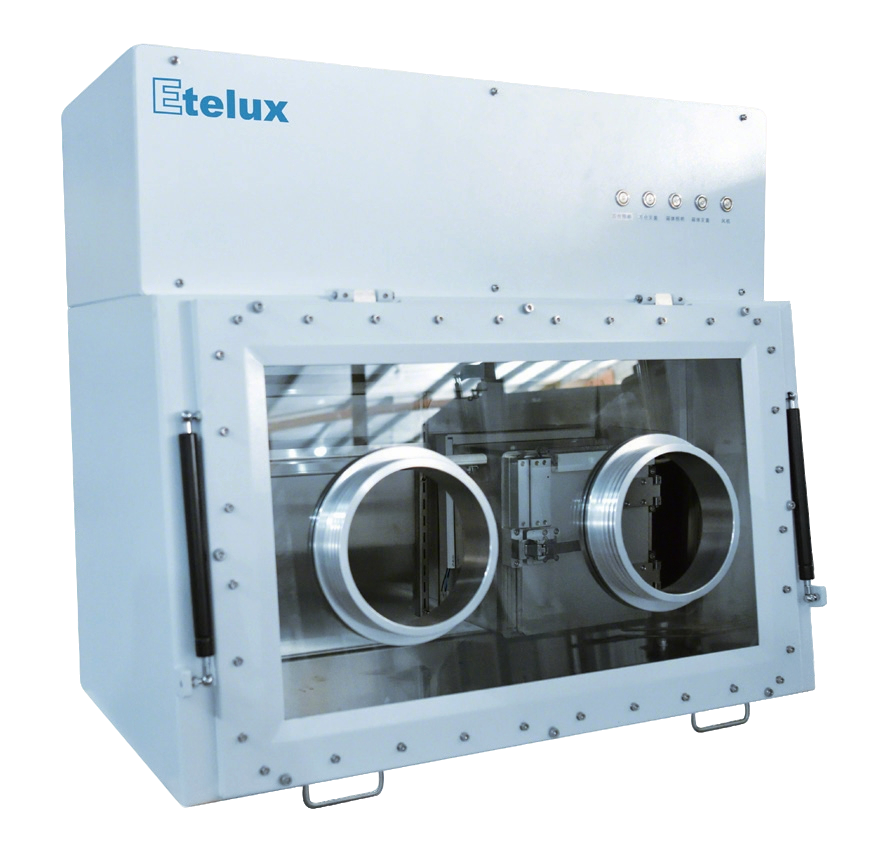
Metal (Stainless Steel) Glove Boxes
Metal glove boxes are primarily fabricated from 304 or 316-grade stainless steel, renowned for their exceptional structural integrity.
- Strength & Durability: Possess high mechanical strength, resistance to deformation, and excellent impact resistance. They can withstand significant physical stress and long-term, heavy-duty usage.
- Impermeability & Sealing: Stainless steel is an impermeable material with virtually zero gas or moisture permeability. This allows for ultra-low leakage rates, critical for maintaining stable, ultra-pure internal environments.
- Surface Properties: The non-porous, smooth surface is easy to clean, sterilize, and decontaminate, making it ideal for maintaining high cleanliness standards.
- Weight: Heavier and more robust, often requiring fixed installation and professional handling..
Plastic (Acrylic/PMMA) Glove Boxes
Plastic glove boxes are usually constructed from transparent acrylic (Polymethyl methacrylate, PMMA) or polycarbonate, valued for their optical clarity.
- Transparency: Boast an outstanding light transmittance of up to 96%, offering a full, unobstructed, 360° view of internal operations—an excellent feature for observation, teaching demonstrations, and processes requiring high visibility.
- Weight & Portability: Significantly lighter (approximately 50% lighter than steel counterparts), easier to transport, handle, and install.
- Permeability: As a polymer material, it has a low but inherent gas permeability. Over extended periods, trace amounts of water vapor and oxygen can diffuse into the chamber.
- Surface & Strength: Softer surface, prone to scratches. Lower mechanical strength compared to steel, with a limited ability to withstand pressure differentials or physical impacts.

2. Key Performance Comparison
2.1 Sealing Performance & Environmental Control
- Stainless Steel: Superior sealing capability. The welded, solid-steel construction achieves extremely low leakage rates, enabling the stable maintenance of ultra-low water and oxygen levels (often < 1 ppm, even < 0.1 ppm for high-end models) over long durations. It is the definitive choice for applications demanding extreme environmental purity.
- Plastic: Good basic sealing, but limited by material permeability. It is suitable for maintaining moderate purity levels (typically > 10 ppm) and for short-to-medium term inert gas applications. It is not recommended for experiments requiring the long-term, stable maintenance of ultra-low water and oxygen conditions.
2.2 Chemical & Corrosion Resistance
- Stainless Steel: Excellent chemical resistance. 304/316 stainless steel effectively resists corrosion from most organic solvents, strong acids, alkalis, and corrosive gases. It is highly suitable for experiments involving harsh chemicals.
- Plastic: Limited resistance. Acrylic has good resistance to dilute acids and alkalis but is not compatible with strong organic solvents (e.g., acetone, toluene, dichloromethane), which can cause cracking, swelling, or clouding.
2.3 Pressure & Vacuum Capability
- Stainless Steel: High-pressure resistant. Designed to safely operate under both positive pressure and deep vacuum conditions. It can withstand repeated vacuum cycling and is compatible with complex vacuum systems.
- Plastic: Limited to low positive pressure. Generally designed for micro-positive pressure environments and is not suitable for long-term or deep vacuum applications, as it may deform, crack, or implode.
2.4 Thermal Stability
- Stainless Steel: Excellent heat resistance and thermal conductivity. It can operate safely over a wide temperature range and is compatible with integrated heating or cooling systems.
- Plastic: Lower heat distortion temperature. Prone to softening or deformation at high temperatures, restricting its use in high-temperature applications.
2.5 Cost & Lifespan
- Stainless Steel: Higher upfront purchase cost. However, its exceptional durability (often 10+ years) and low maintenance requirements result in a lower long-term cost of ownership and higher ROI.
- Plastic: Lower initial investment, making it budget-friendly. However, it has a shorter service life (typically 3–5 years) and is more prone to damage, potentially leading to higher replacement or repair costs over time.
3. Ideal Application Scenarios
Best For Stainless Steel Glove Boxes
- Advanced Materials Science: Synthesis and handling of nanomaterials, 2D materials (graphene), quantum dots, and organic semiconductors.
- Energy Research: Lithium battery (Li-ion) and solid-state battery research, where water/oxygen levels < 1 ppm are mandatory.
- Chemistry & Catalysis: Air-sensitive organometallic chemistry, homogeneous catalysis, and reactions involving hazardous or corrosive chemicals.
- Semiconductor & Microelectronics: Processes requiring Class 100 cleanrooms, anti-static conditions, and resistance to corrosive etchants.
- High-Vacuum Applications: Surface science analysis, sample preparation for electron microscopes, and vacuum deposition systems.
- Long-Term, Continuous Operation: Labs requiring 24/7 operation with stable, uninterrupted environmental control.
Best For Plastic Glove Boxes
- Educational & Demonstration Use: University labs, training facilities, and public exhibitions where visibility and cost-effectiveness are priorities.
- Short-Term/Simple Isolation: Short-duration experiments, sample storage, powder handling, or non-critical weighing of moisture-sensitive materials.
- Non-Corrosive Environments: Applications involving only non-solvent-based, neutral chemicals.
- Budget-Constrained Labs: Startup labs, temporary research projects, or facilities with low operational frequency.
- Field & Temporary Deployments: Lightweight and portable for fieldwork or temporary setups.
4. Decision-Making Summary: How to Choose
To determine the right glove box for your lab, ask yourself the following key questions:
- What level of environmental control do I need?
- Ultra-low water/oxygen (< 1 ppm) & long-term stability? → Choose Stainless Steel.
- Basic isolation or moderate purity (> 10 ppm)? → Plastic is sufficient.
- Will I use organic solvents or corrosive chemicals?
- Yes (frequently or in high concentration)? → Choose Stainless Steel.
- No (only non-corrosive, aqueous solutions)? → Plastic is economical.
- Do I need to perform vacuum operations?
- Yes (full vacuum or repeated evacuation)? → Choose Stainless Steel.
- No (only positive pressure inert gas)? → Plastic is suitable.
- What is my budget and expected lifespan?
- Long-term investment (10+ years), high throughput? → Choose Stainless Steel.
- Short-term, low usage, limited budget? → Choose Plastic.
- Is visibility a top priority?
- Yes (teaching, observation)? → Plastic offers unmatched transparency.
- No (performance > visibility)? → Stainless Steel (with viewports) is better.
Conclusion
Stainless steel glove boxes are the premium, high-performance choice for demanding, cutting-edge research that requires ultimate sealing, chemical resistance, and vacuum capability. They represent a long-term investment in reliability and precision.
Plastic glove boxes excel in cost-effectiveness, visibility, and portability, making them the practical choice for educational settings, basic applications, and budget-conscious laboratories.
By aligning your choice with your specific experimental requirements, you will select a glove box that not only protects your valuable research but also optimizes your laboratory’s efficiency and safety.