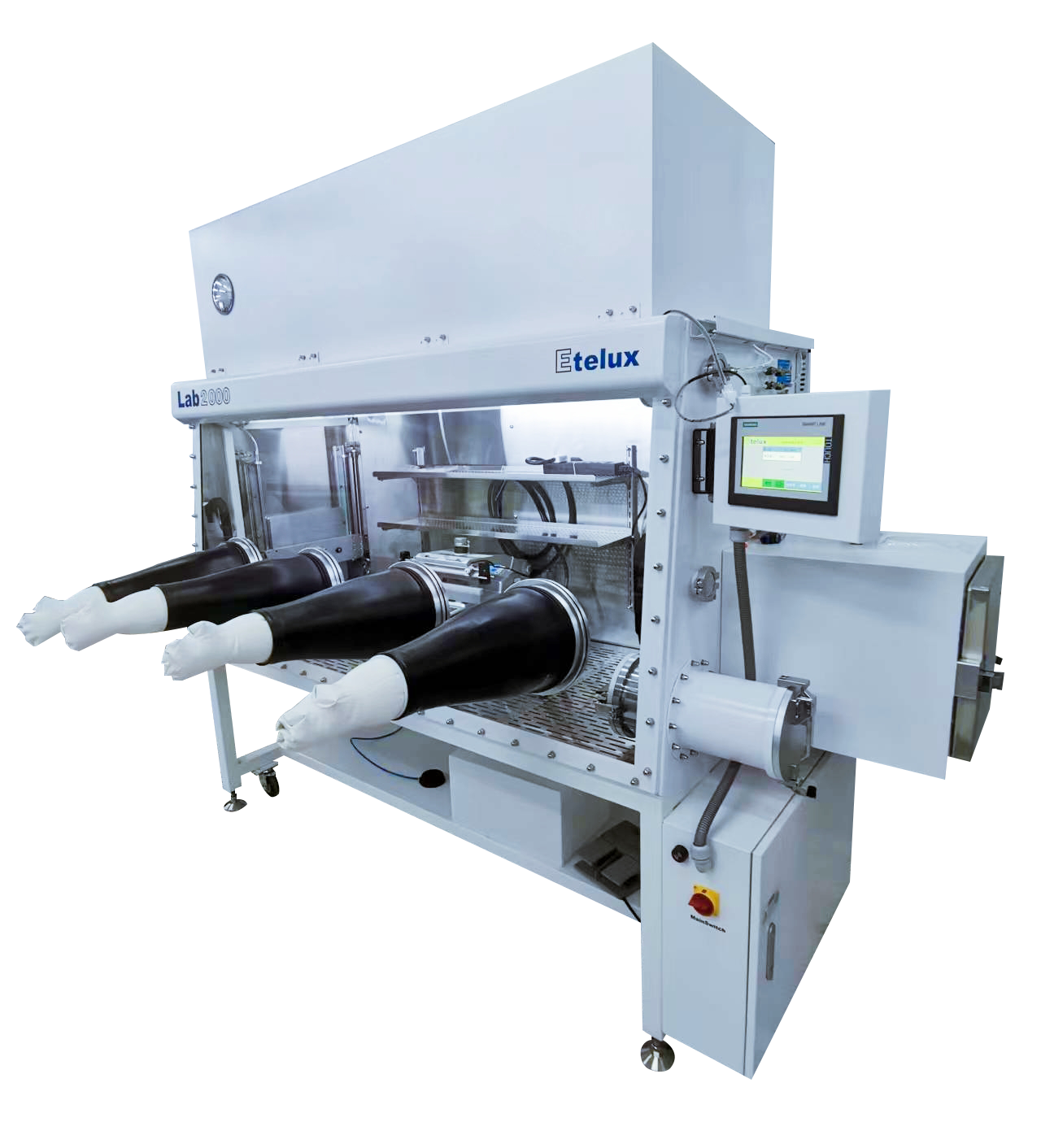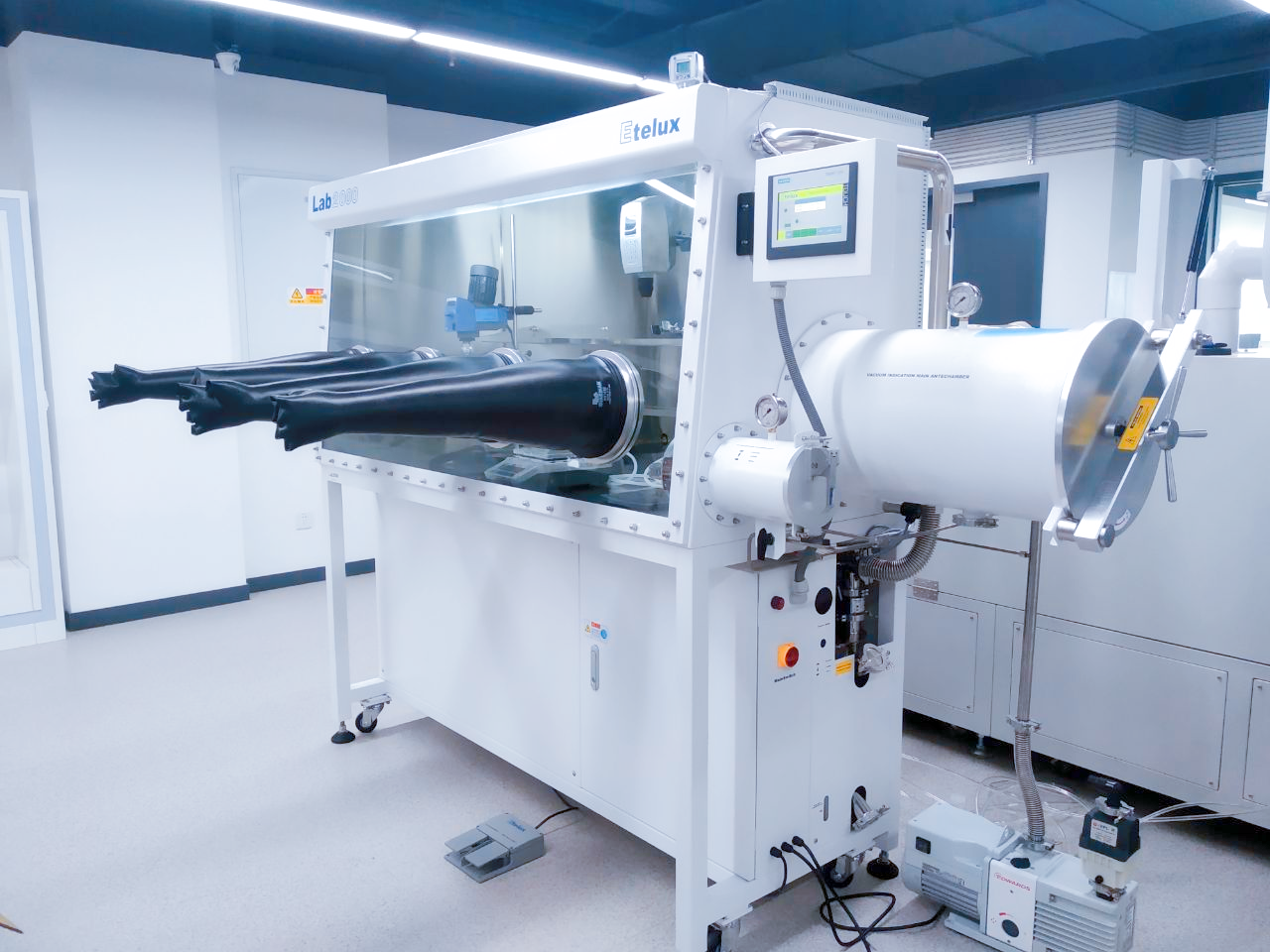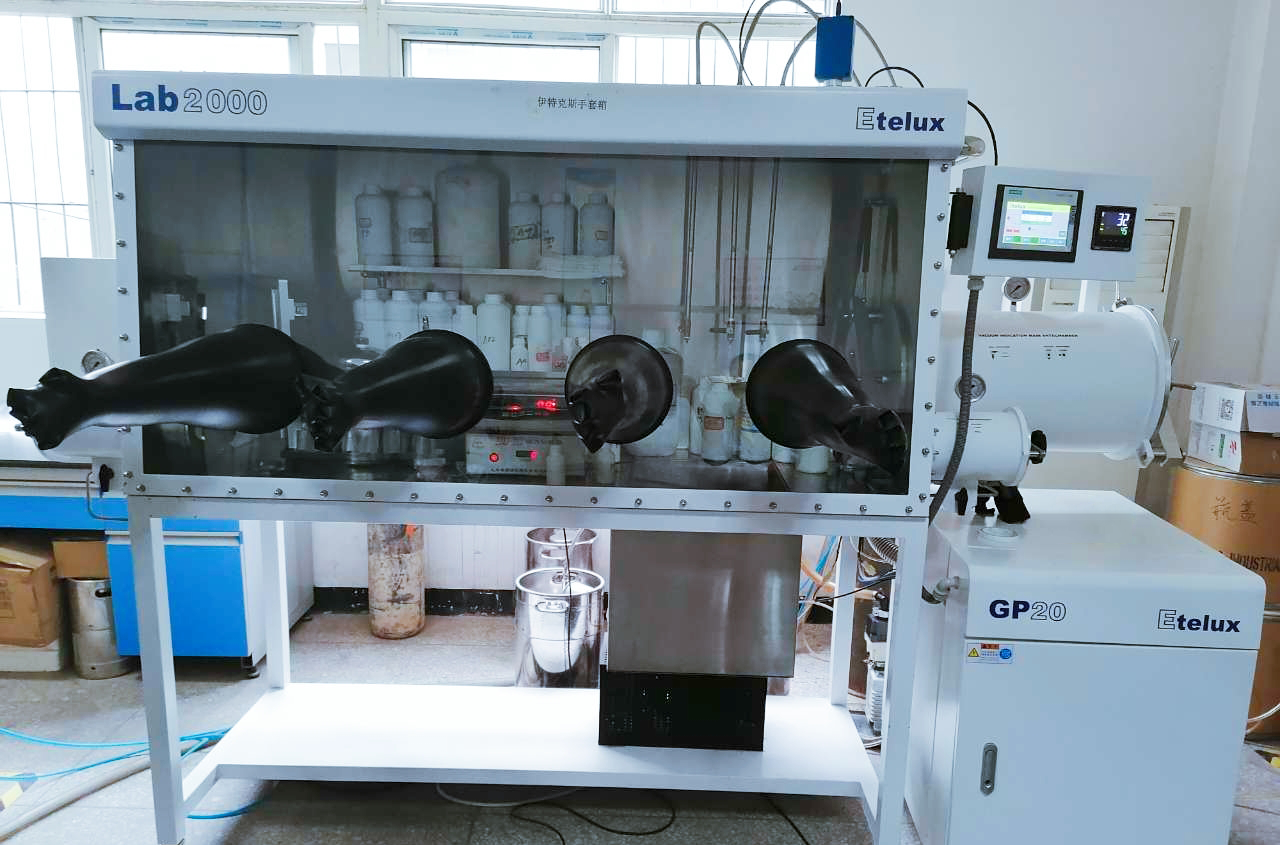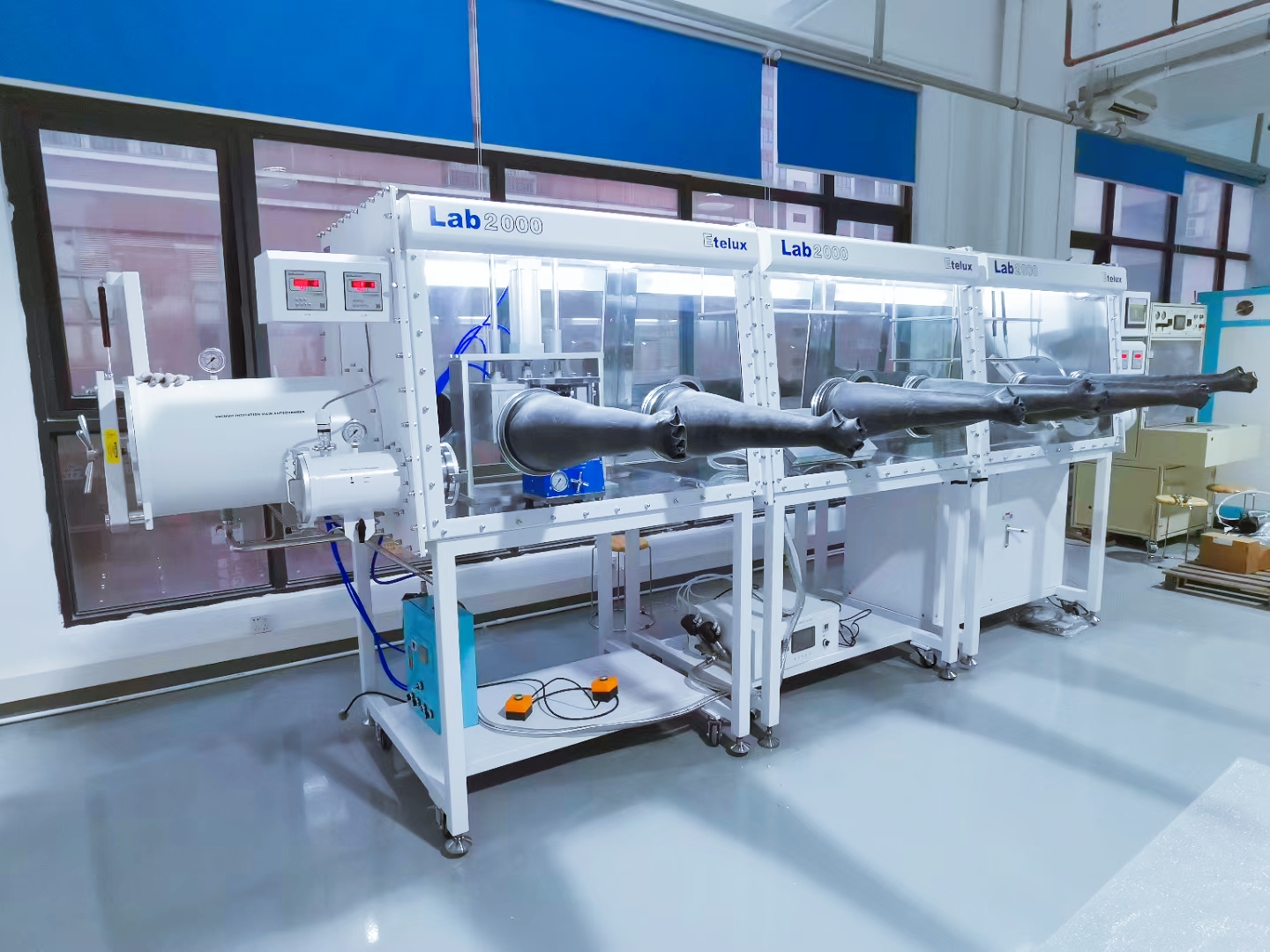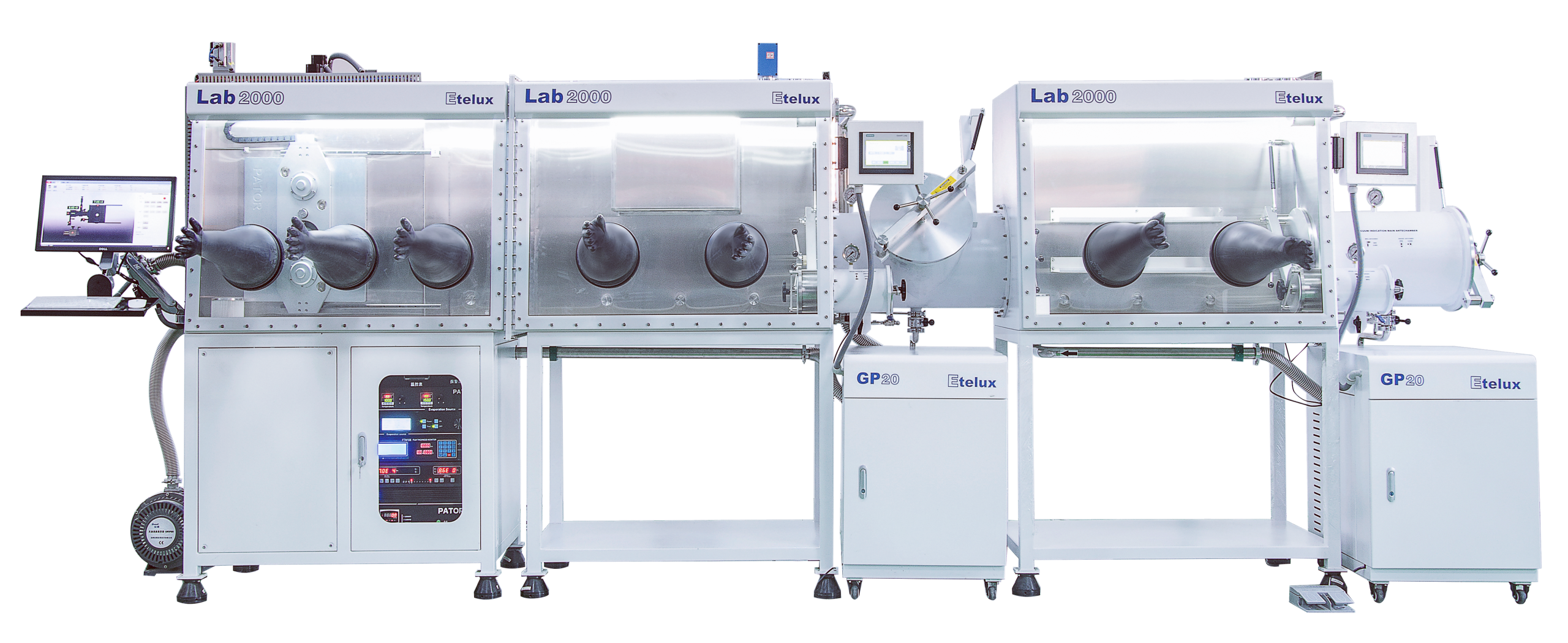
How to “Paint” High-Efficiency Solar Cells on Glass? The Art of Spin-Coating and Thermal Evaporation in Vacuum Glove Boxes

Introduction High-performance solar cells, especially perovskite and organic photovoltaic devices, derive their superior power conversion efficiency (PCE) from ultra-precise thin-film fabrication on glass substrates. To transform ordinary glass into a high-sensitivity photovoltaic medium, two core manufacturing techniques dominate laboratory research: spin-coating for solution-processed functional films and thermal evaporation for metal electrode and semiconductor layer deposition. […]

The Noah’s Ark of Next-Generation Solar Cells: How Vacuum Gloveboxes Preserve Light-Sensitive Advanced Photovoltaic Materials

Introduction: The Fragile Breakthroughs of Next-Generation Photovoltaics The global photovoltaic research landscape is undergoing a revolutionary shift from traditional silicon-based cells to emerging low-dimensional optoelectronic materials. Low-dimensional perovskites, colloidal quantum dots, and ternary organic photovoltaic (OPV) systems have become the core hotspots of next-generation solar cell research, boasting unparalleled advantages such as ultra-high photoelectric conversion […]

A Solar Cell’s Oxygen & Water Sensitivity: Why Its Manufacturing Needs an “Isolation Ward”

While traditional silicon solar cells have proven durable and weather-resistant for decades, next-generation photovoltaic technologies—perovskite solar cells (PSCs) and organic solar cells (OSCs)—tell a completely different story. Unlike robust silicon wafers, the core functional materials of these emerging solar cells are extremely fragile, exhibiting extreme sensitivity to oxygen and water vapor in the ambient air. […]

Why Do My 3D Prints Keep Failing? — Invisible Process Issues Solved by Vacuum Glove Boxes

Introduction Many research teams in university laboratories and maker spaces often struggle with repeated 3D printing failures even after constant parameter adjustments. Common defects include poor interlayer bonding, oxidized discoloration and caking printing powder. Most users tend to tweak laser power, scanning speed and powder bed thickness, yet overlook that trace oxygen and moisture in […]

When 3D Printing Enters Extreme Vacuum – Which Scenarios Are Indispensable?

In cutting-edge industries such as aerospace, military engineering and high-end medical devices, the impurity content of 3D printed components is required to reach the PPM (parts per million) level. Even a tiny amount of oxidative inclusions will lead to sharp performance degradation and direct failure of finished parts. Featuring full-process oxygen-free and moisture-free protection, vacuum […]

The Four Hidden Functions of Vacuum Glove Boxes in 3D Printing

Introduction: Redefining the Vacuum Glove Box in Additive Manufacturing​ When most researchers and engineers think of vacuum glove boxes, “moisture and oxygen isolation” is often the first—and only—function that comes to mind. Yet this specialized equipment is far more than a simple protective enclosure; it’s a compact, integrated experimental platform that revolutionizes metal and resin […]

From “Oxygen-Fearing” to “Free Forming” — How Do Vacuum Glove Boxes Unlock High-Activity Metal 3D Printing?

In the cutting-edge field of metal 3D printing, lightweight and high-strength metals such as magnesium (Mg), titanium (Ti), and aluminum (Al) are becoming core materials in aerospace, medical devices, automotive lightweighting, and other industries. However, these materials have a fatal flaw — they are extremely “oxygen-fearing”. They easily oxidize, absorb moisture, or even spontaneously ignite […]

Automation Liquid Dispensing Module Integration Challenges: Layout of Peristaltic Pumps, Weighing Units & Vacuum Nozzles in Compact Glove Boxes

Introduction In advanced materials research, battery development, and pharmaceutical synthesis, vacuum glove boxes serve as critical controlled-environment platforms, maintaining ultra-low oxygen and moisture levels (≤1 ppm) to safeguard air-sensitive substances. For scientific users requiring precision liquid dispensing (±0.5 mg accuracy), integrating an automated dispensing module into a compact glove box presents three core challenges: limited […]

Automation and Integration: The Future of Glove Box Systems in High-Throughput Battery and Semiconductor Production

In the fast-evolving fields of battery manufacturing and semiconductor fabrication, high-throughput production demands uncompromising precision, ultra-clean environments, and process reproducibility. For over decades, glove box systems have served as the backbone of research and production for moisture- and oxygen-sensitive materials, from lithium-ion battery electrodes and solid-state electrolytes to semiconductor wafers and quantum dots. However, traditional […]

From Glovebox to SEM: Best Practices for Air-Sensitive Sample Transfer Without Environmental Exposure

Abstract Air-sensitive materials (e.g., alkali metals, sulfide electrolytes, perovskites, and reactive catalysts) undergo rapid oxidation, hydrolysis, or structural degradation upon exposure to ambient air, oxygen, or moisture. For scanning electron microscopy (SEM) characterization—where surface morphology, elemental distribution, and microstructural integrity are critical—even brief air exposure can corrupt data, producing artifacts like oxide layers, surface roughening, […]