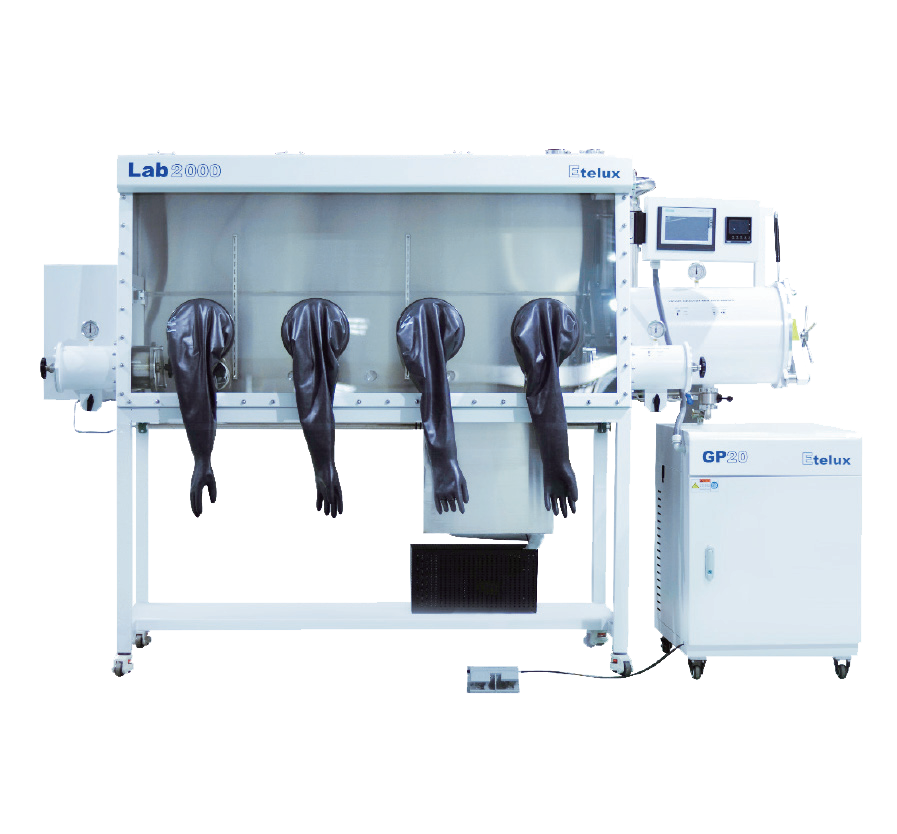
In the highly regulated fields of pharmaceutical development and biotechnology research, maintaining environmental control, product sterility, personnel safety, and experimental integrity is non-negotiable. Glove boxes—sealed, enclosed workstations with integrated glove ports—have evolved from basic containment tools to indispensable systems that deliver precise, contaminant-free atmospheres while isolating operators from hazardous materials. For laboratory and R&D teams, these platforms address core challenges: preventing microbial contamination in sterile workflows, containing potent and cytotoxic compounds, preserving oxygen- or moisture-sensitive biologics, and complying with stringent safety and quality standards. This article examines the pivotal roles of glove boxes in pharmaceutical and biotech laboratories, focusing on sterile compounding, potent compound handling, and advanced applications that drive innovation from early research to preclinical development.
1. Sterile Compounding: The Foundation of Safe Pharmaceutical Preparation
Sterile compounding—encompassing the preparation, mixing, and dispensing of pharmaceutical products that must be free of viable microorganisms, pyrogens, and particulate contaminants—is a cornerstone of pharmaceutical manufacturing, hospital pharmacy, and biotech R&D. Traditional cleanrooms and laminar flow hoods offer partial protection but carry inherent risks: human operators shed microbes and particles, and open workspaces allow ambient air intrusion. Glove boxes resolve these vulnerabilities by creating a hermetically sealed, positive-pressure sterile environment that physically separates the process from the operator and external surroundings.
Key Sterile Compounding Applications in Labs
- Sterile Drug Formulation & Aseptic Processing: Laboratories developing injectables, ophthalmic solutions, vaccines, and biologic formulations rely on glove boxes to maintain ISO 5 (Class 100) or higher cleanliness. Equipped with HEPA/ULPA filtration and unidirectional laminar airflow, these systems eliminate particulate and microbial contamination during raw material weighing, solvent mixing, and active pharmaceutical ingredient (API) formulation. Positive-pressure operation (10–30 Pa above ambient) prevents non-sterile air from entering the workspace, ensuring compliance with USP <797> and cGMP standards.
- Vial & Syringe Filling for Preclinical Testing: For early-stage drug development, glove boxes enable small-batch, aseptic filling of vials, syringes, and ampoules—critical for animal studies and preliminary clinical trials. Integrated transfer chambers (airlocks/RTPs) allow materials to enter and exit without breaking sterility, while automated dosing modules within the enclosure ensure precision and consistency.
- Sterile Packaging & Lyophilization Support: Glove boxes facilitate sterile capping, crimping, and packaging of drug products, as well as sample handling for lyophilization (freeze-drying). By maintaining low humidity and sterile conditions, they prevent product degradation and contamination during post-processing, preserving the stability of biologics and sensitive small molecules.
- Cell & Gene Therapy Aseptic Workflows: Advanced CAR-T, stem cell, and viral vector (e.g., AAV, lentivirus) therapies demand absolute sterility. Glove boxes support cell isolation, expansion, transfection, and harvesting under sterile, temperature-controlled (37°C) environments with regulated CO₂ (5%) and humidity—eliminating contamination risks that can ruin high-value cell therapy batches.
Technical Advantages for Sterile Compounding
- Full Physical Barrier: Eliminates direct contact between operators and sterile materials, stopping contamination from skin, hair, or respiratory emissions.
- Sterility Assurance: Advanced systems integrate VHP (vaporized hydrogen peroxide) decontamination cycles for validated surface and airborne bioburden reduction.
- Process Control: Real-time monitoring of particle count, microbial levels, pressure, and temperature ensures consistent sterile conditions.
2. Potent Compound Handling: Protecting Researchers & Preserving Product Purity
The pharmaceutical industry’s shift toward high-potency active pharmaceutical ingredients (HPAPIs), cytotoxic drugs, antibody-drug conjugates (ADCs), and targeted therapies has elevated containment requirements. Many of these compounds are hazardous at trace levels—causing acute toxicity, carcinogenicity, or reproductive harm—and highly sensitive to oxygen, moisture, or cross-contamination. Glove boxes (especially negative-pressure systems) provide OEB (Occupational Exposure Band) 3–5 level containment, safeguarding personnel while preserving compound integrity.
Core Potent Compound Applications
- HPAPI Weighing, Dispensing & Formulation: Lab teams handling potent oncology drugs, hormones, or immunosuppressants use glove boxes to perform precise weighing and mixing without exposure. Negative-pressure operation (internal pressure 10–50 Pa below ambient) prevents aerosol or powder leakage, while dedicated filtration systems (HEPA/charcoal filters) capture toxic vapors and particulates.
- Cytotoxic & Hazardous Drug Compounding: For personalized cancer treatments and preclinical cytotoxic studies, glove boxes enable safe preparation of chemotherapies and hazardous small molecules. Unlike biosafety cabinets, they offer 360° containment, eliminating exposure risks during transfer, dilution, or admixture.
- Air & Moisture-Sensitive Compound Handling: Many APIs, intermediates, and biologic conjugates degrade rapidly upon exposure to O₂ or H₂O. Inert-atmosphere glove boxes (nitrogen/argon purged) maintain oxygen and moisture levels <1 ppm, preventing oxidation, hydrolysis, or polymerization—critical for preserving potency and chemical stability.
- Cross-Contamination Prevention: In multi-product labs, dedicated glove boxes eliminate cross-contamination between potent compounds, ensuring analytical accuracy and regulatory compliance.
Safety & Performance Benefits
- Personnel Protection: Reduces occupational exposure limits (OELs) to <1 μg/m³ for HPAPIs, meeting OEB 4/5 safety standards.
- Product Stability: Inert environments extend shelf life of sensitive compounds and reduce batch failure due to degradation.
- Regulatory Compliance: Aligns with ICH Q7, EPA, and OSHA guidelines for handling hazardous pharmaceuticals.
3. Beyond Core Applications: Expanding Roles in Biotech & Pharmaceutical R&D
Modern glove boxes integrate advanced environmental controls, automation, and specialized modules, extending their utility across the drug development pipeline—from early discovery to preclinical manufacturing.
3.1 Cell Culture & Biologic Research
- Anaerobic & Microaerophilic Microbial Culture: Glove boxes maintain strict oxygen-free (O₂ <0.1 ppm) or low-oxygen environments for culturing anaerobic bacteria (e.g., Clostridia, Bacteroides), gut microbiome strains, and microaerophilic pathogens—critical for antibiotic development and infectious disease research.
- Stem Cell & Primary Cell Culture: Sensitive stem cells (embryonic, mesenchymal) and primary cells suffer oxidative stress in ambient air, reducing viability and function. Glove boxes with precise CO₂, temperature, and humidity control minimize oxidative damage, boosting cell survival rates (from 60% to 95% in some workflows) and supporting reliable differentiation studies.
- Organoid & 3D Cell Culture: Controlled-atmosphere glove boxes provide stable environments for growing tumor organoids, liver spheroids, and other 3D tissue models—enhancing model maturity and reproducibility for drug efficacy and toxicity testing.
3.2 Biologics & Vaccine Development
- Viral Vector & Vaccine Production: Glove boxes support sterile handling of viral vectors (adenovirus, lentivirus), antigens, and vaccine formulations during purification, conjugation, and filling. They prevent microbial contamination and protect workers from exposure to live or attenuated viral agents.
- Protein & Peptide Synthesis & Crystallization: Inert glove boxes prevent oxidation and degradation during solid-phase peptide synthesis (SPPS) and protein crystallization—improving yield and purity for biologic drug candidates.
- Monoclonal Antibody (mAb) Processing: Aseptic glove boxes enable sterile purification, dialysis, and formulation of mAbs, ensuring product integrity and reducing contamination risks in downstream R&D.
3.3 Analytical & Quality Control (QC) Laboratories
- Sensitive Sample Preparation: For HPLC, mass spectrometry (MS), and elemental analysis, glove boxes prevent oxidation or contamination of low-level API samples, degradation products, and impurities—ensuring accurate analytical results.
- Sterility & Pyrogen Testing: Isolated glove box environments eliminate background contamination during USP <71> sterility tests and LAL (limulus amebocyte lysate) pyrogen assays, improving test reliability.
- Stability Testing: Controlled-atmosphere glove boxes simulate stress conditions (low/high O₂, humidity) for accelerated stability studies, predicting drug shelf life under varying storage scenarios.
3.4 Specialty Pharmaceutical R&D
- Radiopharmaceutical & PET Tracer Production: Shielded glove boxes handle radioactive isotopes (e.g., ¹⁸F, ⁶⁸Ga) for PET imaging agents, protecting researchers from radiation while enabling sterile synthesis and dispensing.
- Nanomedicine & Drug Delivery Development: Glove boxes support sterile synthesis of liposomes, nanoparticles, and polymeric drug carriers—preventing aggregation and contamination of nanoscale delivery systems.
4. Key Glove Box Technologies for Pharmaceutical & Biotech Labs
To meet industry-specific demands, modern lab glove boxes incorporate specialized features:
- Dual-Mode Pressure Control: Switch between positive pressure (sterile product protection) and negative pressure (potent compound containment) for multi-application use.
- Inert Gas Purification Systems: Maintain O₂/H₂O <1 ppm with catalytic purifiers and molecular sieve dryers for air-sensitive materials.
- HEPA/ULPA & Gas Filtration: Combined filters remove particulates, microbes, and organic vapors.
- VHP Decontamination: Automated vaporized hydrogen peroxide cycles for validated sterilization.
- Airlock Transfer Chambers: Secure material transfer without breaching containment or sterility.
- Smart Monitoring & Data Logging: Real-time sensors for pressure, gas levels, temperature, and particle count with automated compliance reporting.
- Sanitary Design: 316L stainless steel construction, coved corners, and smooth surfaces for easy cleaning and sanitization.
Conclusion
Glove boxes have become foundational to pharmaceutical and biotech laboratories, addressing the dual imperatives of product purity/sterility and personnel safety—while enabling innovation across sterile compounding, potent drug development, cell therapy, and biologic manufacturing. As pharmaceutical R&D advances toward more potent, sensitive, and complex therapies, glove boxes will remain essential tools that bridge safety, compliance, and scientific progress. For lab teams investing in long-term reliability, modular, customizable glove box systems deliver the flexibility to adapt to evolving research needs—from early discovery to preclinical translation.